- About Us
- Advertise / Support
- Editorial Board
- Contact Us
- CancerNetwork.com
- TargetedOnc.com
- OncLive.com
- OncNursingNews.com
- Terms & Conditions
- Privacy
- Do Not Sell My Information
- Washington My Health My Data

© 2025 MJH Life Sciences™ and CURE - Oncology & Cancer News for Patients & Caregivers. All rights reserved.
Navigating Your Stage 3 Renal Cell Carcinoma Diagnosis

Ryan Scott is an Associate Editor of CURE; she joined MJH Life Sciences in 2021. In addition to writing and editing timely news and article coverage, she manages CURE's social media accounts; check us out @curetoday across platforms such as LinkedIn, Facebook, X, and Instagram! She also attends conferences live and virtually to conduct video interviews and produce written coverage. Email: rscott@mjhlifesciences.
Stage 3 kidney cancer can be managed with surgery, immunotherapy and targeted therapy; knowing your options helps guide informed decisions.
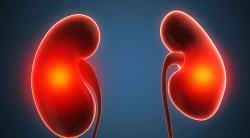
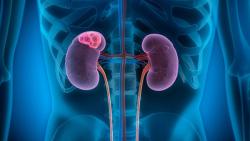
Renal cell carcinoma (RCC) is a type of kidney cancer that begins in the lining of the small tubes within the kidney. Stage 3 RCC indicates that the tumor has grown beyond the kidney itself and may involve nearby tissues or lymph nodes but has not yet spread to distant organs. Although this stage represents more advanced disease, many patients remain candidates for curative treatment. Understanding the biology of RCC and how it progresses is important for patients to engage actively with their care teams.
In RCC, tumor growth can disrupt kidney function and nearby structures. Clear cell RCC is the most common subtype, but papillary, chromophobe and other rarer types exist, each with distinct molecular features that may influence prognosis and treatment decisions.
Symptoms of stage 3 RCC vary; some patients experience blood in the urine, flank pain, fatigue, weight loss, or a palpable abdominal mass, whereas others are diagnosed incidentally during imaging for unrelated reasons. Recognizing early signs and understanding the disease empowers patients to participate in shared decision-making.
The Diagnosis and Evaluation of Stage 3 RCC
The diagnostic workup for stage 3 RCC involves several steps:
- Imaging: Computed tomography (CT) scans of the abdomen and pelvis are standard for assessing tumor size, kidney involvement and lymph node spread. Magnetic resonance imaging (MRI) may be used when CT contrast is contraindicated or for surgical planning.
- Biopsy: Occasionally, a tissue biopsy is performed to confirm the subtype of RCC and guide treatment decisions.
- Blood and Kidney Function Tests: These evaluate overall health and the kidney’s ability to tolerate treatment.
- Molecular Testing: Some tumors are tested for genetic alterations, such as VHL, PBRM1 or BAP1 mutations, which can influence targeted therapy options and prognosis.
Understanding each step in the diagnostic process helps patients ask informed questions and anticipate what the next stages of treatment might involve.
Understanding Your Stage 3 RCC Treatment Options
The cornerstone of stage 3 RCC treatment is surgical resection. Radical nephrectomy removes the entire affected kidney, surrounding fat, and regional lymph nodes, while partial nephrectomy preserves kidney function in select cases with smaller or favorably located tumors. Surgery is often followed by close observation or adjuvant therapy, depending on risk factors for recurrence.
Adjuvant therapy for stage 3 RCC has evolved significantly in recent years. Immune checkpoint inhibitors, such as Keytruda (pembrolizumab) or Opdivo (nivolumab), activate the immune system to target residual cancer cells, improving disease-free survival in high-risk patients. Combination therapy approaches, which pair immunotherapy with targeted agents, are under investigation in clinical trials and may become increasingly common.
Targeted therapies play a critical role, particularly for tumors at high risk of recurrence. Vascular endothelial growth factor receptor (VEGFR) inhibitors, such as Sutent (sunitinib), Cabometyx (cabozantinib) or Inlyta (axitinib) block pathways that tumors use to create blood vessels, slowing tumor growth. mTOR inhibitors, including everolimus and temsirolimus, interfere with cellular growth and proliferation in tumors with specific molecular profiles. Clinical decisions regarding which targeted therapy to use consider tumor biology, patient comorbidities, and prior treatments.
Radiation therapy is typically reserved for symptom control, such as pain or bleeding, rather than curative intent in stage 3 RCC. However, stereotactic body radiation therapy (SBRT) can precisely target tumors, offering an option for patients who cannot undergo surgery. Clinical trials may provide access to novel therapies, including personalized vaccine approaches or newer combinations of immunotherapy and targeted therapy.
Common Side Effects of Stage 3 RCC
Awareness of potential side effects is key to managing treatment safely:
- Surgical Effects: Fatigue, pain, risk of infection and temporary changes in kidney function.
- Recovery may require weeks of rest and monitoring of kidney function through blood tests.
- Immunotherapy: Immune-related inflammation affecting skin (rash), gastrointestinal tract (diarrhea, colitis), liver (hepatitis), endocrine organs (thyroid dysfunction) or lungs (pneumonitis).
- These side effects can occur during treatment or even months afterward. Early recognition and prompt management, often with corticosteroids or other immunosuppressive measures, reduce severity.
- Targeted Therapy: VEGFR inhibitors may cause high blood pressure, hand–foot syndrome, diarrhea, nausea or decreased appetite. mTOR inhibitors can lead to mouth sores, metabolic changes, or increased infection risk.
- Dose adjustments, supportive medications, and lifestyle modifications can help manage these effects. Regular follow-up visits allow your oncology team to monitor adverse effects and maintain quality of life during treatment
What to Know About Your Stage 3 RCC Diagnosis
A stage 3 RCC diagnosis can be daunting, but modern therapies offer meaningful opportunities for long-term disease control and even cure. Surgical resection remains the primary approach, supported by adjuvant immunotherapy or targeted therapy when indicated. Patients benefit from active communication with their oncology team about the goals, benefits, and risks of each treatment option. Planning for supportive care, including nutrition, physical activity, emotional support and symptom management, optimizes resilience throughout the cancer journey. Engaging with your oncologist to understand therapy timing, potential side effects and monitoring strategies ensures a personalized, informed approach to managing stage 3 RCC.
Editor's note: This article is for informational purposes only and is not a substitute for professional medical advice, as your own experience will be unique. Use this article to guide discussions with your oncologist. Content was generated with AI, reviewed by a human editor, but not independently verified by a medical professional.
For more news on cancer updates, research and education, don’t forget to subscribe to CURE®’s newsletters here.
Related Content: