- About Us
- Advertise / Support
- Editorial Board
- Contact Us
- CancerNetwork.com
- TargetedOnc.com
- OncLive.com
- OncNursingNews.com
- Terms & Conditions
- Privacy
- Do Not Sell My Information
- Washington My Health My Data

© 2025 MJH Life Sciences™ and CURE - Oncology & Cancer News for Patients & Caregivers. All rights reserved.
It’s Okay Not To Be Okay Through a Cancer Diagnosis

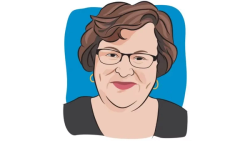
F. Linda Cohen, from Baltimore, now lives in Franklin, Michigan. She attended UMBC and attained her Masters’ Degree from Oakland University, Rochester, Michigan. Linda, a retired reading specialist, with a specialty in dyslexia, published a book documenting her parents’ story in February, 2019. Cohen’s book, "Sarinka: A Sephardic Holocaust Journey From Yugoslavia to an Internment Camp in America," is currently in the libraries of the United States Holocaust Memorial Museum in Washington D.C. , Yad Vashem Holocaust Museum in Israel, the Zekelman Holocaust Memorial Center and other community and school libraries.
Facing my cancer diagnosis, I learned it’s okay not to be okay and found comfort in laughter, honesty, and the support of loved ones.
There’s an exclusive club no one wants to join, yet many of us find ourselves in it without warning. Hearing the words “You have cancer” can feel like the ground has shifted beneath you. Even when you suspect something is wrong, the moment it becomes real can still be shocking. When I first heard these words, a chill shot shot through my body, even though I already suspected it. It was the same reaction I had when someone I loved was near death. I thought I was ready and prepared myself, but when it actually happened, it still took my breath away. Sometimes, even when we know something intellectually, we are still unprepared emotionally. It’s as if we had no idea it could happen. Our minds may prepare, but our hearts rarely do.
In those early days after my diagnosis, I struggled to fall asleep. My thoughts raced, my fears got louder, and it felt as if cancer followed me into every room, concluding with my bedroom each night. One day, after a Costco run, my husband, Rick, walked in holding a box. Inside was a season of Sex and the City; this was a show he knew always made me laugh.
“It’s for us to watch,” he had told me. “One episode each night before bed, so we can fall asleep laughing.”
And somehow, it helped. Laughter became a soft landing at the end of each day. That small ritual didn’t erase my diagnosis, but it helped me breathe through it. That simple act of kindness reminded me that healing doesn’t always come from medicine — sometimes it comes from someone who shows up, sits beside you, and helps you find moments of joy you didn’t think possible.
Looking back, I appreciate how safe I felt sharing my true feelings with Rick, because when others asked how I was doing, I often said, “I’m fine,” even when I wasn’t. Many of us do that. We protect others from our pain while quietly carrying the weight ourselves. Another survivor once told me, “You don’t always have to say you’re fine.” She then shared an acronym for the word FINE that stayed with me:
Fragile
Isolated
Nauseous
Exhausted
You can choose your own words for each letter; you can choose words that reflect how you truly feel. It’s a gentle way to be honest without giving a long explanation.
Of course, you may not want to share this with everyone. But finding a trusted friend or connecting with other survivors can make a tremendous difference. Talking about what you’re really feeling is healthier than bottling it up, which only adds more stress, and stress is something none of us need while facing cancer.
One of the most important things I learned was to tell myself, “It’s okay not to be okay.” It’s okay to feel overwhelmed. It’s okay to have days when you’re not fine. It’s okay to be honest about the hard parts.
Sometimes we simply need to permit ourselves to feel the truth of what we’re going through. And in that honesty, we often find strength we didn’t know we had. One of the most powerful things I learned was to tell myself, “It’s okay not to be okay.”
Because that’s where healing begins — with honesty, compassion, and permitting yourself to be exactly where you are today.
This piece reflects the author’s personal experience and perspective. For medical advice, please consult your health care provider.
For more news on cancer updates, research and education, don’t forget to subscribe to CURE®’s newsletters here.
Related Content: